
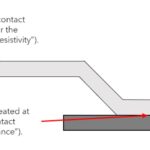
Connectors are complex assemblies whose performance is based on interactions of electrical, mechanical, environmental, and materials factors. Extensive testing is required to ensure proper performance, and numerous industry standards have been developed for that purpose. This FAQ reviews 13 tests across three key performance indicators for connectors, including electrical, mechanical, and environmental considerations for connectors […]
EE sync
What’s the difference between needle flame and glow wire testing?
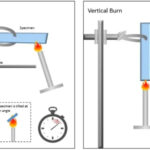
Needle flame and glow wire testing are two approaches to determining the flame-retardant performance of materials like various plastics and the electronic devices that incorporate those materials. Needle flame tests are defined in IEC 60695-2-2, while glow wire testing is defined in IEC 60335 and IEC 60695. UL94 is another material burning test and can […]
What are RAST connectors?
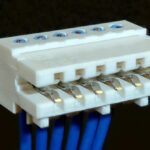
RAST connectors include signal and power designs based on insulation displacement technology. The original specification included a maximum of 12 contacts, but RAST connectors are currently available with 20 or more contacts. They were developed for consumer white goods and have been adopted by various applications, including automotive systems. The RAST connector system was designed […]
The future of better M2M communications requires optimizing interoperability

By Priyank Kishor, global product management leader, TE Connectivity As Industry 4.0 advances manufacturing and production capabilities, factories can better integrate crucial processes, drive greater efficiencies, and access data and insights to improve operations. However, one significant challenge continues to stand in the way of optimizing machine-to-machine (M2M) communications: seamless interoperability and integration. Interoperability in […]
Why is connector pitch important?
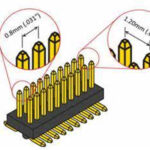
Contributed by Frances Richards Knowing the connector pitch is vital to ensuring compatibility with the wire or cable being connected. When designing a circuit or purchasing either connectors or cables, the connector pitch must be specified to ensure a proper connection. First, let’s define pitch: A connector’s pitch refers to the distance measured from the […]
M12 stainless-steel connectors for sensor cabling in harsh environments

binder USA offers M12 connectors with all external parts – threaded locking ring, housing, and pressing screw – constructed of stainless steel. The cable clamp is constructed of PTFE, the seal is made of VitonTM, and rounded surfaces facilitate cleaning.The design and materials make binder’s M12 ideal for for corrosive environments including humidity, chemicals, detergents, […]
Push-pull locking options, hybrid one-cable solution added to binder M12 connector portfolio
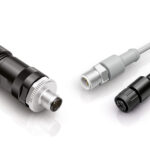
Recent additions to binder USA’s M12 portfolio offer new combinations of features – pin count, termination style, locking system, housing materials, and shielding. The company is also developing new M12-threaded products with outer push-pull locking. The variety of options allows users to optimize their solution for specific applications, including factory and process automation, industrial metrology […]
Harwin to showcase industrial connectors at Embedded World
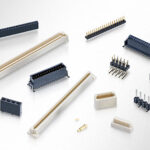
Advanced interconnect specialist Harwin will be using the upcoming Embedded World event (Nuremberg, March 14-16) to focus on its newly defined BBi product portfolio. These high density board-to-board connectors are intended for use in challenging industrial applications, providing assured long-term operation. The BBi portfolio includes components for drives and controls, edge-based computing hardware, automation systems, […]
What’s special about connectors in quantum computers?
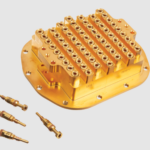
Quantum computers are expected to solve some of the world’s most complex problems. Fabricating interconnects is one of the most complex problems when building quantum computers. Quantum computers need connectors that can withstand cryogenic temperatures, with non-magnetic construction, that operate at microwave frequencies with low losses to reduce heating and improve data transfer. High-density hermetically […]
Rotary slip ring connectors — what are they used for?
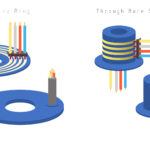
Rotary slip ring connectors are important components in various applications like multi-axis robots in industry 4.0, wind turbines for sustainable green energy, machine tools, medical systems, and more. This FAQ considers how slip ring connectors differ from commutators, and how mercury-wetted, pancake, and wireless slip ring connectors work, their capabilities, and reviews applications where they […]
